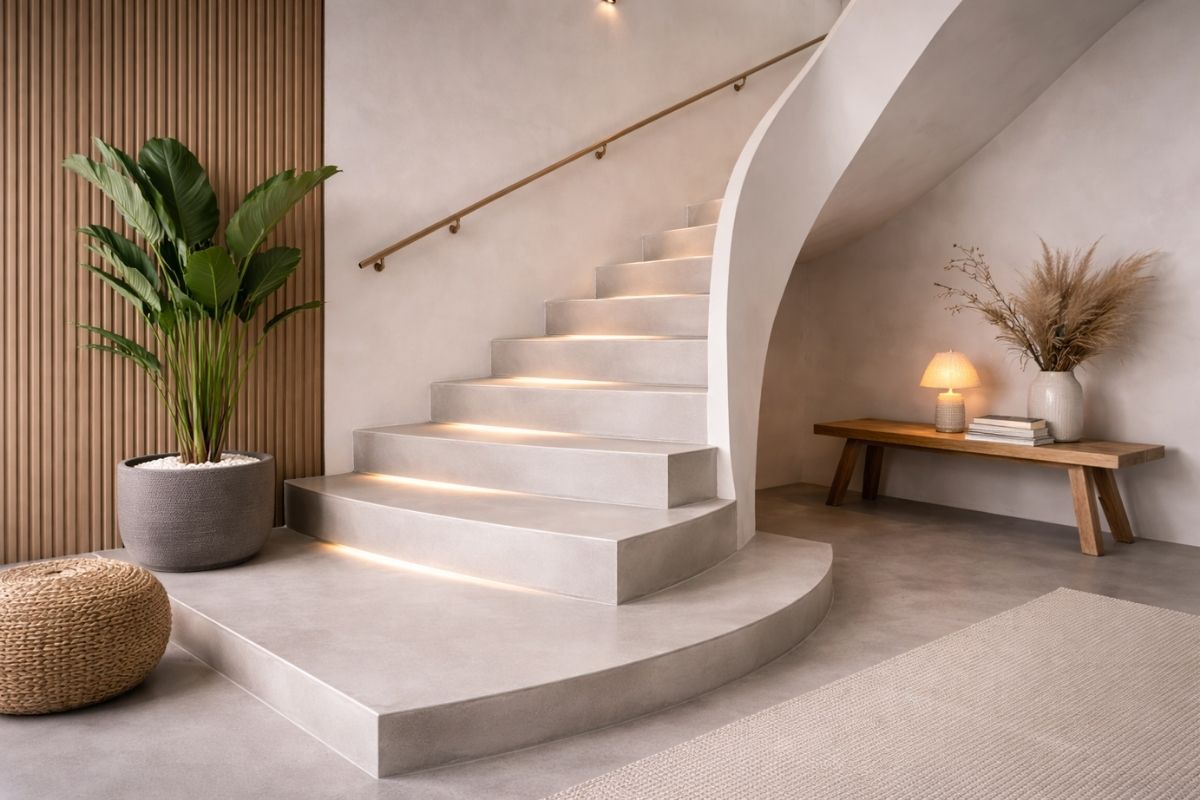
About Seamless Interior Finishes
Integrated microcement surfaces for kitchens, living areas, and feature spaces, designed for visual continuity, durability, and long-term performance.
Seamless interior finishes are designed to create continuous, joint-free surfaces across interior spaces, eliminating visual breaks and material transitions. Using microcement systems, floors, walls, stairs, and architectural features can be unified into a single, cohesive design language.
At Epoxia, seamless interior finishes are custom-crafted to suit modern residential and commercial environments where clean lines, material consistency, and refined aesthetics are essential. Each surface is hand-applied in ultra-thin layers, allowing integration over existing substrates with minimal buildup.
From open-concept living areas and kitchens to feature walls and architectural transitions, seamless finishes offer a modern alternative to tile, stone, or traditional coatings—delivering durability, simplicity, and timeless appeal.
Living Areas • Kitchens • Feature Spaces • Residential & Commercial Interiors
Benefits of Seamless Interior Finishes
High Durability
Customizable Design
Color, texture, and finish are fully customizable to create continuity or subtle variation across floors, walls, and architectural elements.
Easy Maintenance
Seamless, non-porous surfaces simplify cleaning and reduce long-term maintenance compared to multi-material interiors.
Our Seamless Interior Finish Process
Substrates are evaluated, repaired, leveled, and prepared to ensure proper adhesion and consistent surface performance.
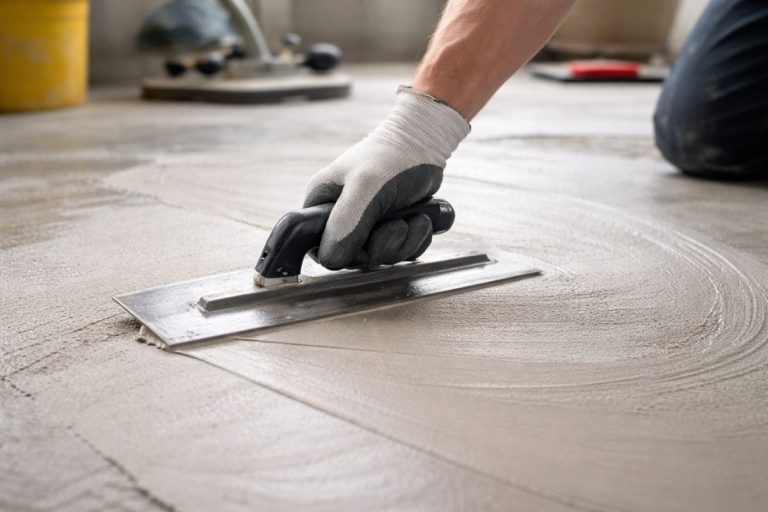
Microcement is hand-applied with controlled layering and transitions to maintain seamless flow between surfaces.
We Take Seamless Interior Finishes to the Next Level
One surface language. One cohesive space.


Request a Quote
Frequently Asked Questions
Seamless interior finishes use continuous surface systems like microcement to eliminate joints, grout lines, and visual breaks between interior surfaces.
They can be used on floors, walls, stairs, kitchens, living areas, and architectural features in residential and commercial interiors.
In many cases, yes. Microcement can often be applied over tile, concrete, or other stable substrates with proper preparation.
Yes. When professionally installed, they are designed to handle everyday wear while maintaining a consistent appearance.
Proper substrate preparation and flexible systems significantly reduce the risk of cracking.
Routine cleaning with mild, non-abrasive products is typically sufficient.
Yes. Finishes can remain consistent across spaces or vary subtly in tone, texture, or sheen to define different areas.
Yes. They are commonly used in offices, retail, hospitality, and other commercial environments seeking clean, modern interiors.